Pet Stain & Odor Removal in Kansas City
About two in three households share their home with a pet — and every one of those homes eventually deals with an accident. If you've scrubbed a spot, doused it in store-bought spray, and still caught that smell creeping back weeks later, you already know the frustrating truth: pet urine odor isn't a dirt problem. It's a chemistry problem.
KC Clean Carpets treats pet stains and odors across the Kansas City metro from our home base in Raytown, using enzyme treatments and truck-mounted hot water extraction that remove the odor source itself — not perfume it. We're a BBB Accredited Business with an A+ rating, backed by 146 five-star reviews.
Why Pet Urine Odor Comes Back — Especially in Kansas City Summers
Here's what actually happens when a pet has an accident on carpet, and why the smell so often returns right when Kansas City's humidity spikes:
1. Fresh urine starts mild, then turns hostile. Fresh pet urine is roughly neutral to slightly acidic. As it dries, bacteria convert its urea into ammonia and the residue swings strongly alkaline — the same chemical shift that can permanently yellow carpet dye in older stains.
2. Drying leaves behind uric acid crystals. When the moisture evaporates, uric acid bonds into salt crystals that lodge in the carpet fiber, backing, and pad. These crystals are effectively insoluble in water — which is why detergent scrubbing and rental machines don't remove them.
3. The crystals are hygroscopic — they drink humidity. On dry days they sit quiet. On humid days they absorb moisture from the air, partially reactivate, and re-release odor gases. Kansas City summer mornings regularly top 70% relative humidity, which is why so many KC homeowners swear the smell "came back" in July. It never left — it rehydrated.
4. The spot you see understates the problem. Liquid follows gravity and wicks outward as it soaks in. As an industry rule of thumb, the contaminated area in the pad is commonly 2–3× larger than the visible surface stain.
5. Your pet's nose finds what yours can't. A dog's sense of smell is estimated at 10,000 to 100,000 times more sensitive than a human's. If any residue survives, pets are drawn back to re-mark the same spot — turning one accident into a habit.
Dog Urine vs. Cat Urine
Cat urine is the tougher opponent. It's more concentrated than dog urine and contains felinine, an amino acid that breaks down over time into sulfur-bearing compounds — the same chemical family as skunk spray. That's why a cat accident smells worse at week three than on day one, and why "wait and see" never works with cats.
Why Store-Bought Sprays Don't Work
Most retail products take one of two shortcuts. Perfumed sprays simply mask the odor until the fragrance fades — and the hygroscopic crystals underneath keep right on cycling with the humidity. Oxidizing cleaners can lighten the visible stain but leave the odor-causing crystals in the pad. Only bio-enzymatic treatment actually digests the uric acid compounds themselves — and one more warning: never use an ammonia-based cleaner on pet urine. To your pet, ammonia smells like more urine, and it invites re-marking.
Our Pet Stain & Odor Removal Process
- Locate & map — We inspect every affected area, not just the spots you know about, so nothing gets skipped and nothing surprises you later.
- Enzyme pre-treatment — A bio-enzymatic solution is applied with proper dwell time to break down uric acid crystals and organic residue at the molecular level.
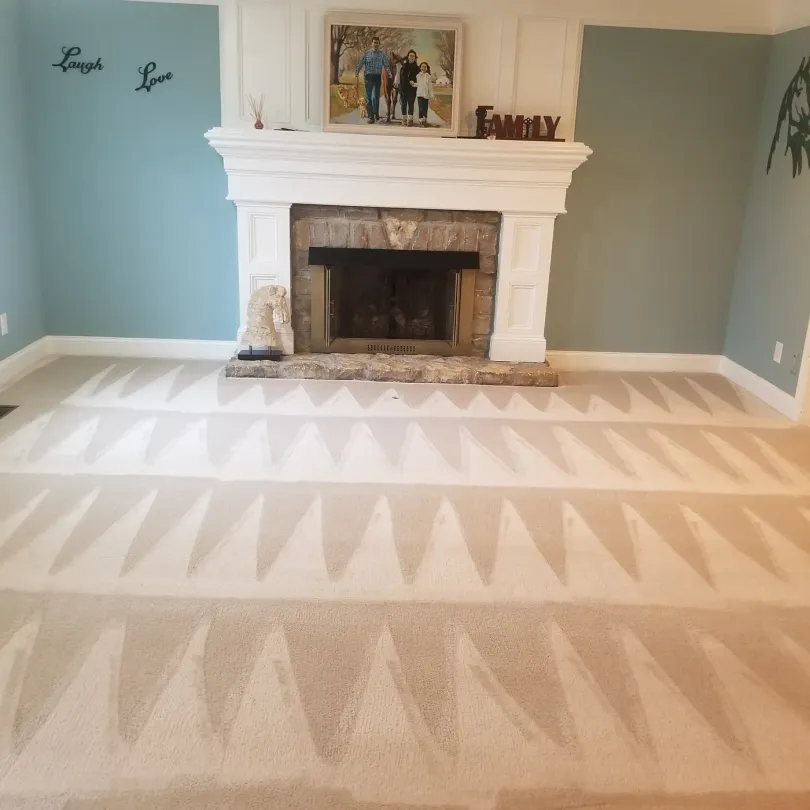
- Truck-mounted hot water extraction — Our extraction system flushes the dissolved residue out of the fiber and backing with far more heat and suction than any rental unit.
- Deodorize & neutralize — The area is treated with an odor neutralizer that works at the source. No perfume cover-ups.
- Speed dry & protect — Air movers accelerate drying, and an optional carpet protector helps repel the next accident before it soaks in.
For severe, repeated saturation we'll tell you honestly what it takes — sometimes that's an intensive double treatment, and in extreme cases it means talking through pad-level options. You'll know exactly where you stand before we start, and every job is backed by our 100% satisfaction guarantee.
What Does Pet Stain Removal Cost in Kansas City?
- Enzyme spot treatment — $25 per standard area, or $0.15/sq ft for larger spaces, as an add-on to carpet cleaning
- Whole-room odor treatment — typically $25 per room on top of standard cleaning; only unusually large rooms move to the $0.15/sq ft rate
- Severe saturation — quoted after inspection, and we'll tell you up front if treatment alone can't fully solve it
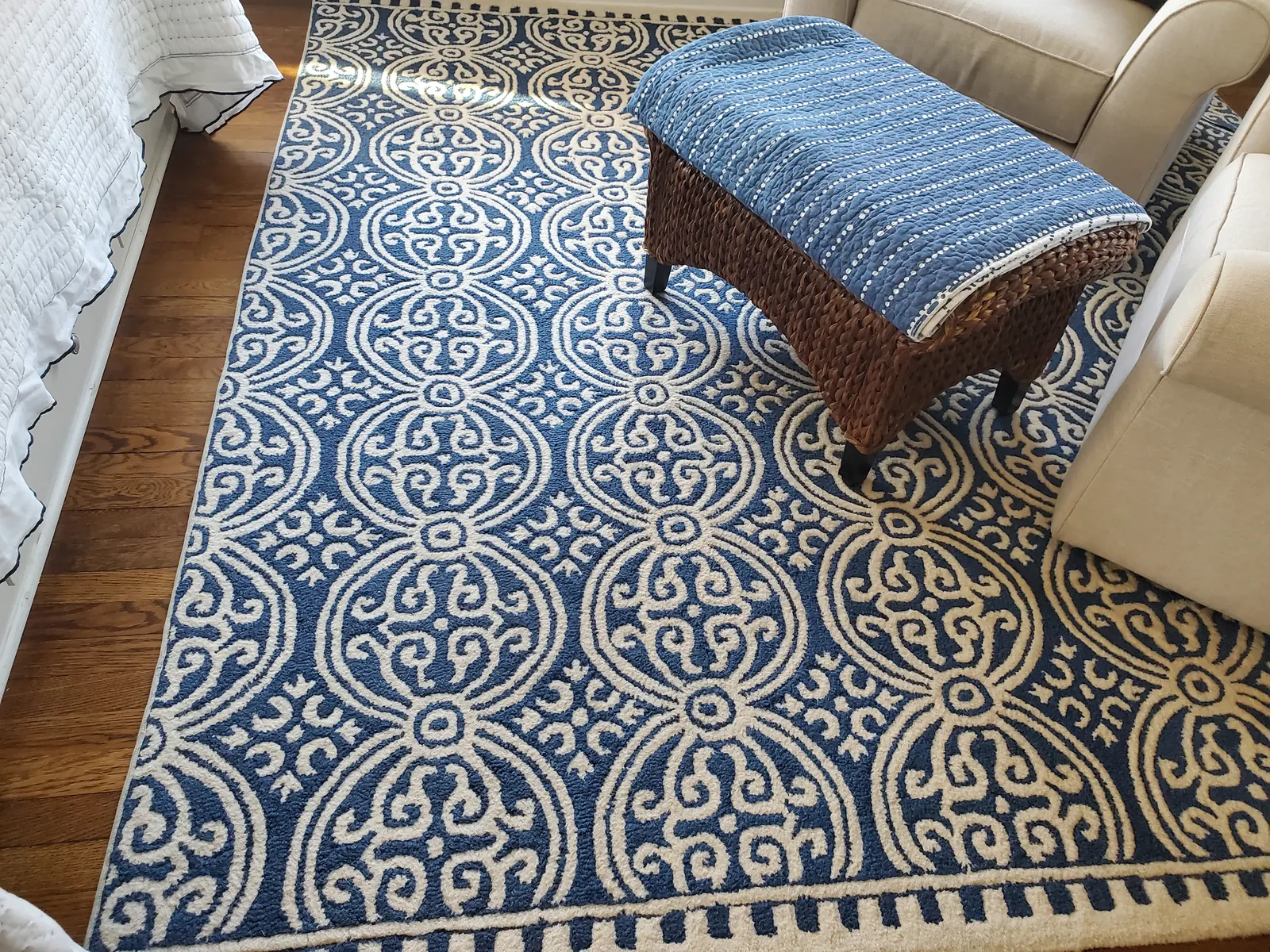
For an exact price texted to you in writing, start the 60-second quote — or see our pet odor removal cost guide for the full breakdown, including dog vs. cat urine and what's honestly fixable. The Kansas City pricing guide covers how we price every service. Pet odor treatment is also available for upholstery and area rugs.
Pet Stain & Odor FAQs
Can you remove old, dried pet urine stains from carpet?
Usually, yes — enzyme treatment plus hot water extraction handles most old deposits. One honest caveat: urine turns strongly alkaline as it dries, and on some carpets that shift permanently alters the dye itself. That's a dye change, not soil, and no cleaner can reverse it — we assess every spot and tell you what to expect before we start. The odor, however, can nearly always be neutralized.
Will the odor really stay gone in humid weather?
Yes — because the treatment digests the uric acid crystals instead of masking them. Once the crystals are broken down and extracted, there's nothing left for a humid August morning to reactivate.
Is the enzyme treatment safe for pets and kids?
Yes. Bio-enzymatic treatments are non-toxic — they work by digesting organic residue, not harsh chemistry. Once the carpet is dry, usually within a few hours, the area is safe for paws and bare feet.
Can cat urine odor be completely removed?
Cat urine is the hardest case, and it's one we treat successfully all the time. It takes proper enzyme dwell time plus deep extraction — surface sprays actually make it worse by sealing the crystals in.
Do you remove pet odors from furniture too?
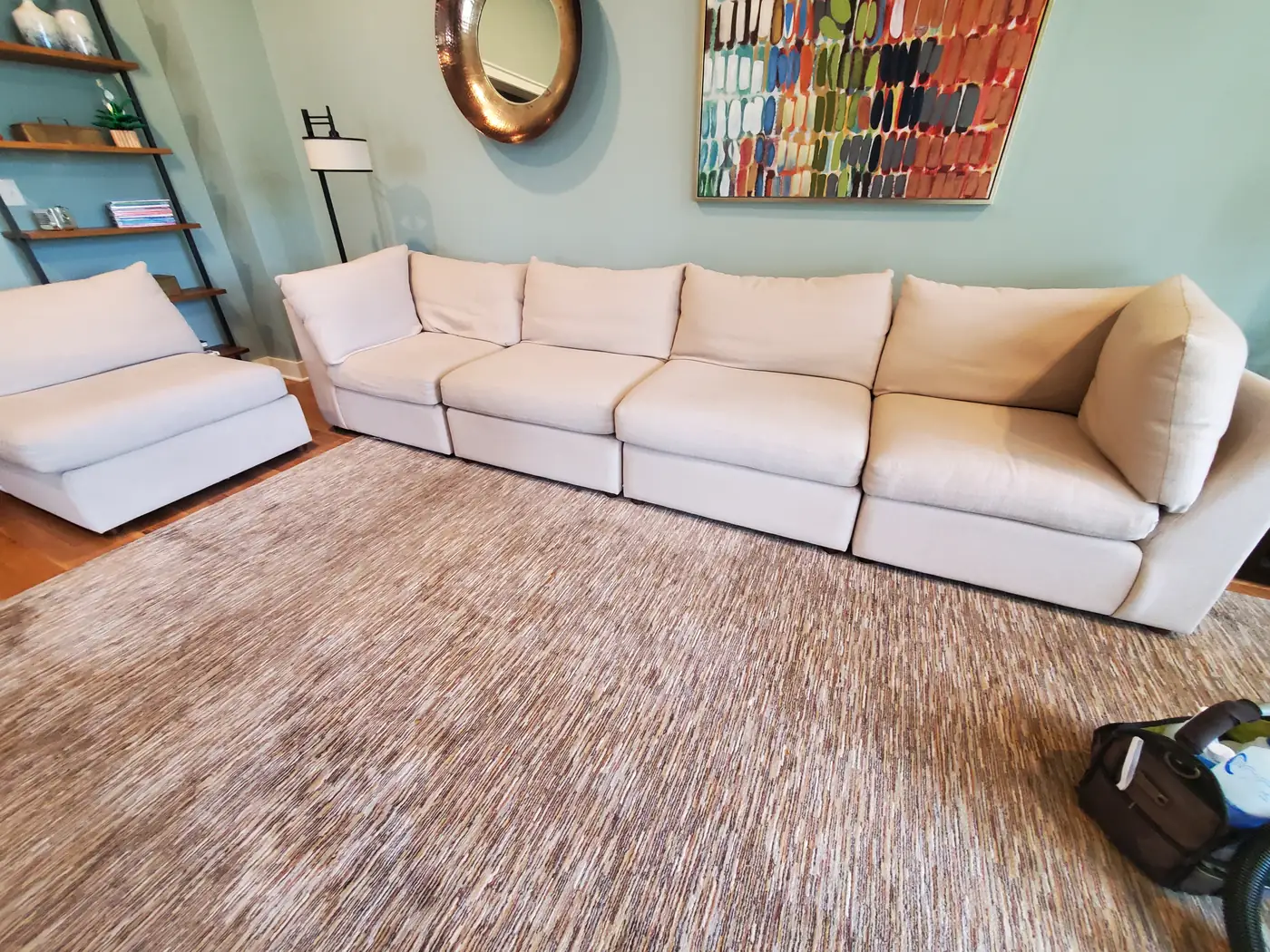
Yes — sofas, sectionals, and chairs get the same enzyme treatment adapted to the fabric. See upholstery cleaning for fabric-safe methods and pricing.
What if the urine soaked through to the pad?
It often has — the contamination under the carpet is commonly 2–3× larger than the visible spot. We assess how deep it goes and lay out what will actually solve it, from intensive treatment to pad-level options. No overpromising.